
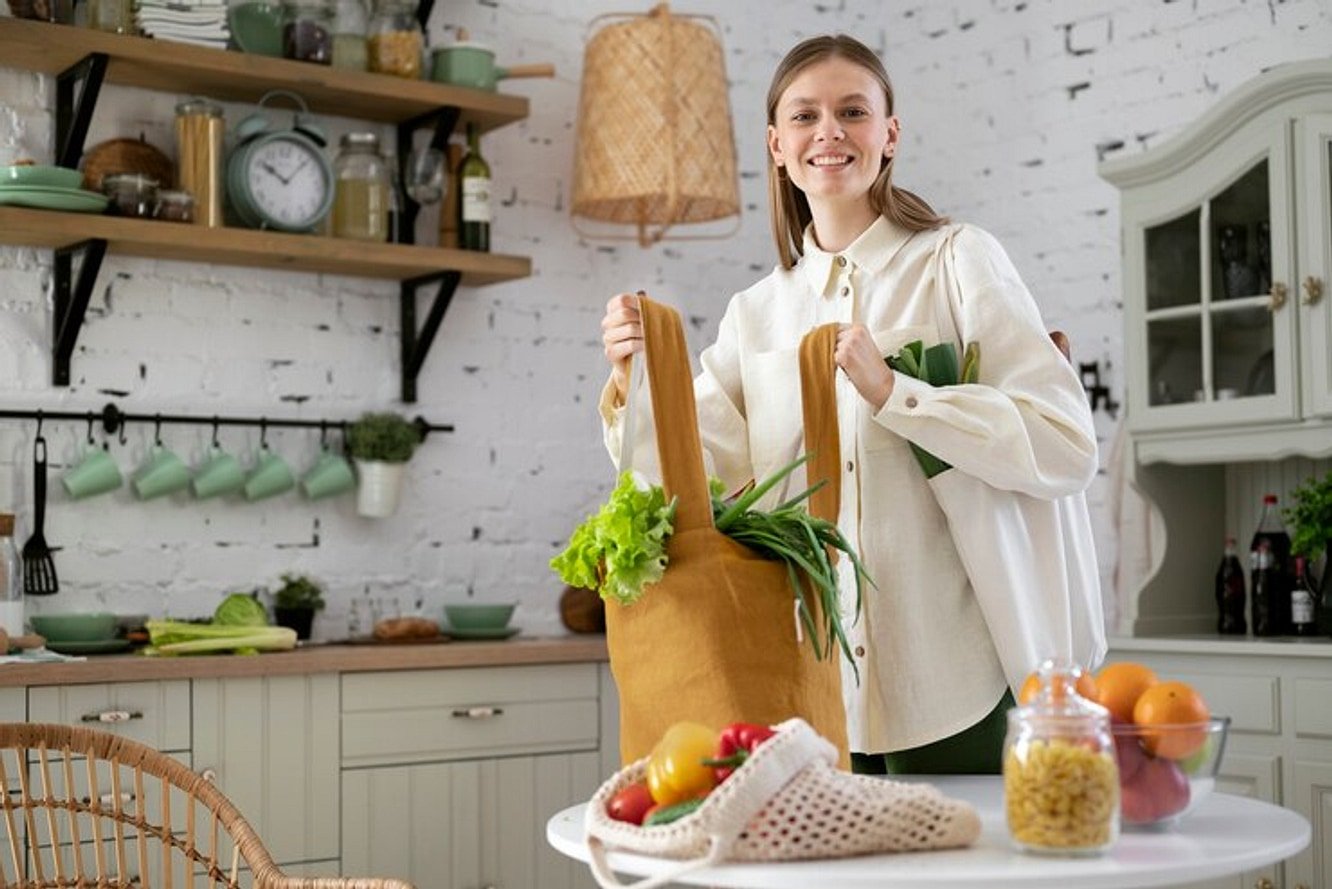
Healthy eating is not expensive you know honestly. You can enjoy meals with effort without spending lots. This blog shares tips for smarter budget-friendly shopping. Start cooking well and saving money now actually.
Plan Your Meals Ahead of Time
Meal planning is kind of like making a weekly map. It helps avoid random buys and ensures you buy what you need. It makes cooking faster and easier when ingredients are basically planned.
Choose weekly recipes start writing down needed ingredients. Check pantry first you might already have needed ingredients. Focus on recipes using same ingredients like rice in dishes. Make simple meals well since complex recipes demotivate you.
Choose meals with leftovers that reduce food waste. For example, rice made today can be used as fried rice tomorrow. Doing this not only makes things easy but also saves you money and time.
Make a Grocery List and Stick to It
A grocery list is your best friend; trust me on this one. It avoids impulse buying which can quickly ruin your budget. Without it staying focused and not overspending becomes hard while shopping.
Shop only after finalizing your planned meals. Organize your list by sections like fruits vegetables and grains. This avoids store backtracking and saves you time and energy. Stick to your list however tempting sales might look. Most discounts actually trick you into unnecessary spending.
Never shop hungry since this causes poor and impulsive decisions. Check your list before checkout to ensure everything without buying extra.
Buy Seasonal Fruits and Vegetables
Seasonal produce costs less and tastes much better actually. Seasonal foods are fresher better and more affordable than others.
Research what produce is in season near you often. Mangoes cost less in summers when they are plenty available. Seasonal produce means more quantity for the same money often. Stock up on fresh items since it is like healthier and cheaper.
Consider farmer markets they offer cheaper seasonal and local products often. It supports locals reduces seller costs and makes items more affordable.
Choose Store Brands Over Name Brands
Big brands cost much more while store brands are just as good. You often pay more for just fancy looking packaging and ads. Cheaper products of similar quality make more sense logically really.
Find cereals spices and snacks in cheaper store-brand options. Often you will not really notice differences in taste or quality. Compare basic pantry prices like rice flour and sauces properly. You will see that store brands save quite a lot.
If you are unsure, buy small quantities first, to test them. That way, if you are not happy, you can switch back. But chances are, store brands will work just fine. You can then confidently save money on future trips.
Shop in Bulk for Staple Items
Bulk buying smartly saves much money on daily essentials. Bulk buying reduces packaging costs and lowers unit price overall. Staples like grains and lentils are perfect for bulk shopping.
- Buy in bulk for used items like rice oats or sugar.
- Ensure bulk items last longer so they do not spoil fast.
- Compare costs to ensure bulk buys are honestly cheaper.
- Reusable containers store bulk-bought items more easily.
- Plan item storage well to keep them fresh and easily usable.
Bulk buying costs more initially but eventually saves big money. Avoid bulk buying perishables since they might easily spoil fast.
Use Coupons and Look for Discounts
Using coupons sounds boring, but trust me, this can save big bucks. Stores give weekly deals often reducing your spending. Know where and how to use discounts properly I think.
First, check store flyers or apps since most stores post deals online regularly. Use cashback offers on credit and debit cards when grocery shopping too. Download apps like Paytm, which sometimes give extra cashback on purchases.
If a discount is available on something you use regularly, buy and stock up until the offer ends. Avoid unneeded purchases even if coupons make them look cheaper. Smart shoppers actually prioritize essentials over extra distractions.
Avoid Pre-Packaged and Processed Foods
Packaged foods are actually pricey and rarely healthy. Making food yourself is cheaper and honestly more nutritious. Frozen pizzas soups and chips reduce your diet quality really.
Buy fresh veggies to make soup instead of choosing canned soup. This way, you can also control what you add. Plastic fruits cost double compared to ones you peel yourself. Skip shredded cheese buy a block it saves more making it.
Cooking fresh avoids preservatives sugars and fillers from prepackaged products. It takes effort but really changes health and your expenses.
Prioritize Nutrient-Dense Ingredients
Focus on quality foods well over quantity for better health. Foods like lentils and eggs are healthy not costing much.
Buy lentils and chickpeas instead of spending lots on meats. Make meals balanced by pairing grains and proteins together. Choose vitamin-rich foods making meals filling and hearty honestly. Beans are healthy options cheaper than any costly beef cut.
Buying expensive superfoods marketed as healthy is not actually needed. Choose local like turmeric honestly for better diets.
Learn to Preserve and Store Food Properly
Food is wasted often because it is stored poorly usually. Good storage prevents food waste and extends freshness well. It saves money since nothing actually spoils.
Airtight jars keep lentils and rice safe from moisture. Fridge bags actually keep carrots and cucumbers fresh longer. Freeze leftover foods like soups in small parts for reheating.
Dry and store bulk greens in damp papers to keep them crisp. Proper storage avoids trips replacing spoiled food often.
What are some effective ways to reduce grocery expenses?
Reduce expenses by budgeting well and preferring bulk for basics honestly. Skipping processed items and making meals saves big money actually.
How can meal planning contribute to healthier eating on a budget?
Planning meals helps focus on nutrient-rich meals stay healthier. Meal planning avoids spending much on unhealthy snacks seriously.
What are the benefits of buying seasonal produce?
Seasonal produce is fresher and costs less than off-season buys. Seasonal foods help locals while improving your cooking quality.
What should I avoid while grocery shopping on a budget?
Impulse buys and processed food choices usually cost you much more. Stick to lists and avoid shopping hungry as it wrecks decisions.
Healthy eating with saving money just needs effort and simple planning. Follow these blog tips to see how your habits entirely change. Small but mindful steps like meal planning lead to savings and better eating. Tell us your top favorite saving tips during grocery shopping please.