
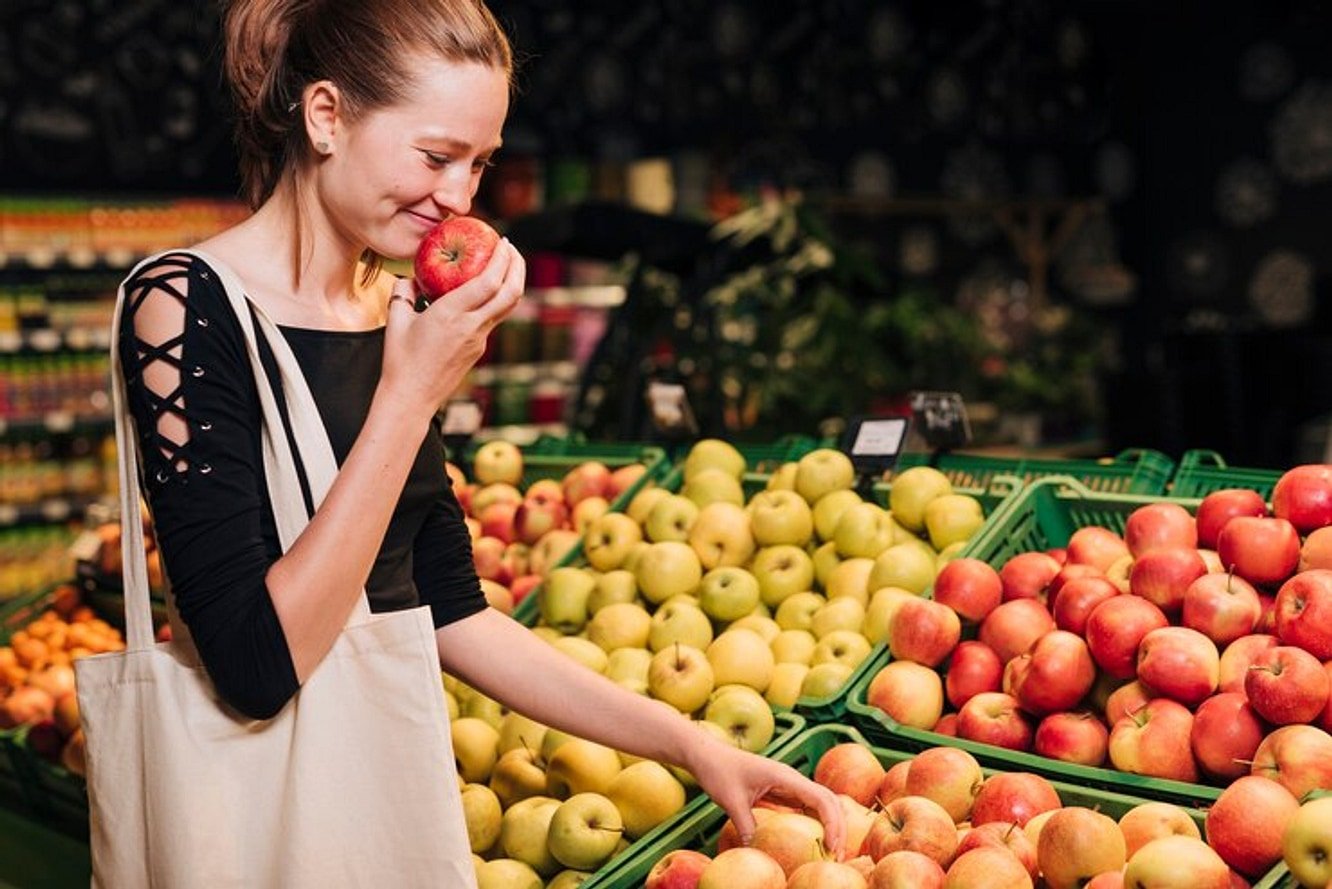
Heading to market but finding it tough picking ripe fruits? Many people find it confusing to pick fresh fresh produce. Learn ripeness basics to pick fruits like a pro actually. This guide explains simple ways to find tasty fresh options.
Why Choosing Ripe Fruits Matters
Ripe fruits are not just tasty but also for nutrition. A fully ripe fruit tastes sweet and juicy for best experience. Unripe fruit feels hard bitter or just not right.
Nutrients are best at their peak in ripe fruits. So health and taste go together basically. Picking ripe fruits reduces waste because they last longer. Unripe fruits spoil quickly or fail to ripen properly at home.
Signs of Ripeness for Common Fruits
Each fruit has visible signs for ripeness. Knowing signs actually helps find fresh options instantly.
- Bananas: Yellow fruits with brown spots actually show they are ripe. Green spots mean unripe skin and black means overripeness.
- Mango: It should feel firm but soft when lightly pressed. Unripe ones feel hard like rocks.
- Avocado: Soft not mushy is ideal when applying pressure. Wrinkled or squishy skin signals overripeness every time.
- Berries: Look for vibrant colors and plump texture seriously. Wrinkled and leaking juices basically show overripeness.
- Watermelon: Knock gently as hollow sound seems like ripe fruit. Pale yellow spots below kind of show another clue.
Relying on these signs will reduce guesswork when fruit shopping.
Techniques for Checking Ripeness Without Damaging Fruits
Avoid ruining fruit basically while testing its ripeness please. Simple and damage-free methods exist for fruits. Squeeze fruit gently with fingertips but avoid nails or pressing hard. Peaches plums mangoes soften when ripe but unripe feel hard.
Kind of tap melons or gourds surface maybe. A hollow sound kind of confirms ripeness. Apples grapes should have firm smooth surfaces without bruises. Avoid over-handling produce since touched too much harms fruits. Quick yet careful inspection is kind of key. Leave no marks dents or bruises when inspecting fruits.
Understanding the Role of Seasonality in Fruit Selection
Fruit flavor and quality really depend on seasonality actually. Choosing fruits in harvest season guarantees basically better taste.
Summer is ideal for tropical fruits such as mangoes pineapples watermelons. Winter gives citrus fruits pears and crunchy apples actually. Off-season fruits taste bland harvested early or transported.
Seasonal fruits are higher in nutrients freshness and flavor. They are usually more affordable, as there is plenty available. Out of season fruits feel imported or artificially grown. Buying seasonally saves money ensuring ripeness and tasty produce.
How to Use Smell to Identify Ripe Fruits
Smell is nature’s secret signal of fruit’s ripeness. Smelling aromas helps identify fruits are good to consume. Strong aroma is a great ripeness sign in mangoes melons pineapples. No smell shows fruit may still basically be unripe. Overly strong fermented smell shows overripeness or possible decay.
Strawberries berries smell richer you know as ripening starts. Sniff the stems or bases not other spots instead. Knowing smell avoids relying only on feel or looks. Gives confidence picking fruits ready fresh and good to eat.
The Importance of Color in Determining Ripeness
Color changes are reliable ripeness signs in fruits honestly. Noticing shifts in hue guarantees better choices. Bananas change green to yellow signaling ripeness now. Tomatoes deepen red color when ripe and good to eat. Green strawberries are underripe while red ones seem fully ripe.
Some fruits like apples vary in colors naturally by their type. So understanding the produce’s usual color range matters. Visual clues are quick but check touch and smell accuracy.
What the Texture Says About Fruit Ripeness
Texture offers valuable insight into a fruit’s ripeness level. Both feel and firmness give clues during checking.
Ripe peaches avocados feel soft and wow still firm. Grapes cherries smooth plump apples stay crisp and firm ripe. Overripe fruit feels mushy or maybe overly squishy basically. Unripe fruits feel actually very hard and resist pressure.
Pineapple leaves pull easily meaning fruits basically seem ripe ready. Checking texture enhances confidence while selecting. Touch is simplest and really effective test for ripeness checks.
Listening to the Sound of Ripeness: A Surprising Technique
Sound testing feels strange but works fine on certain fruits. Tapping can reveal readiness.
- Melons: A gentle knock is helpful. Hear a hollow deep sound means fruit is ripe. Lighter or flat noises mean underripe fruit.
- Apples: Sharp sounds when tapping shows fresh firm fruit honestly.
- Coconuts: Shake it sloshing sound inside signals good water coconut. No sound suggests dryness.
- Papayas: Thump them lightly. A dull, less resonant sound highlights ripeness.
Sound method gives assurance especially for melons gourds and large fruits. It complements appearance and texture tests.
Tips from Market Professionals for Picking the Best Fruits
Market experts have just years of experience choosing fruits honestly. Following their advice makes actually a maybe huge difference.
- Know peak seasons: In-season fruits are basically better quality mostly speaking okay. I mean honestly research before going shopping always.
- Examine skin carefully: Find fruit’s bruises wrinkles or basically soft spots maybe. Reject fruits with such signs.
- Buy local if possible: Local fruits fresher since traveling is kind of less.
- Smell-check everything: I think always smell fruits when allowed for checking ripe. No smell means fruit is mostly unripe or unsure actually.
- Talk to vendors: They suggest fruits and let you sample well before buying.
These professional tips include visual checks and a little conversation. Browse better confidently knowing what actually you kind of want.
How can I tell if a fruit is ripe by appearance?
Search vibrant colors matching fruit’s ripe and bright state. Make sure skin feels smooth free from bad blemishes. Avoid shiny pale fruits since they are honestly not ripe often.
Which fruits ripen after being picked and which do not?
Bananas kiwis and peaches ripen still even after being picked. Citrus fruits watermelons and even berries do not ripen later.
What are common mistakes people make when selecting fruits?
A mistake is squeezing fruits longer harder not bruising alright. Larger big fruits chosen mistake smaller ones ripe and sweet too.
How can I distinguish between ripe and overripe fruits?
Ripe fruits feel firm not hard okay and smell so sweet. Overly ripe fruits are mushy strong fermented smelling and unsure.
Mindful fruit shopping creates nicer enjoyable eating habit actually. Send fun fruity tips for picking here below please thanks! Applying methods are fun with joy from fresh perfect ripe fruit. Happy fruit hunting!