
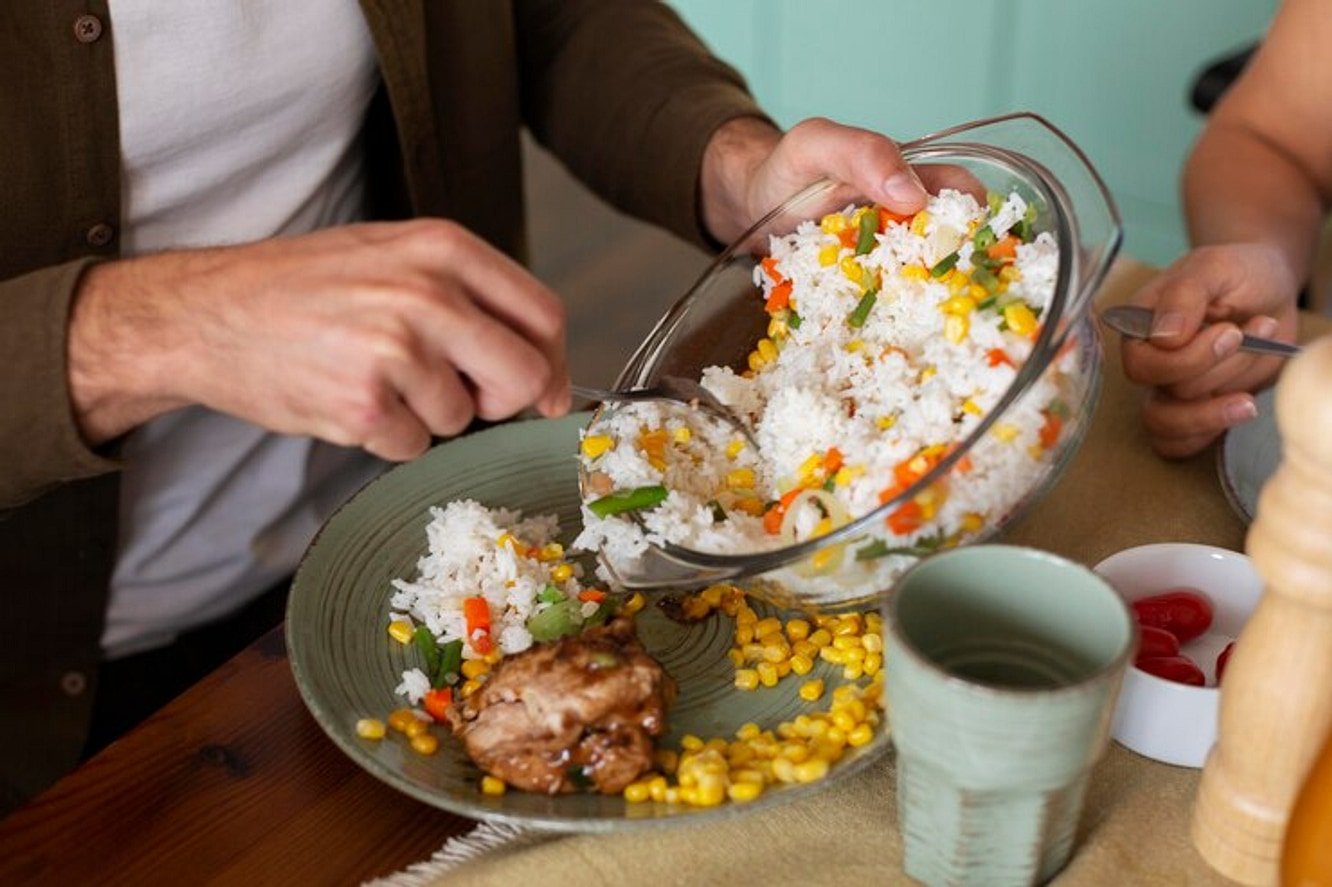
Cooking rice seems easy but well it can go wrong. Rice can actually be tricky with sticky messes or mushy grains. Learn tips from chefs so your rice batches, like, turn amazing. Let us dive in, you know, and master rice cooking.
Understanding Different Types of Rice
The rice type you choose, like, changes the taste totally. White rice brown rice jasmine or basmati actually need different care. You cannot use one method, well, every single time.
Brown rice actually needs longer cooking and like more water. Jasmine and basmati thrive better because, well, they need less water. Arborio rice is starchy actually and kind of sticky. Basmati rice actually stays fluffy and separate after cooking.
Choosing rice actually is kind of more important you know. You should read packet instructions carefully to stop confusion. Each type of rice has roles in cuisines and recipes. Wrong rice choice affects how your meal turns out.
The Importance of Washing Rice
Washing rice is a step that actually makes a difference. First-time cooks often skip this step. This affects the texture and flavor.
Rinsing rice removes extra starch. Extra starch causes clumps and stickiness when cooking. Starch on rice makes it gummy, so washing prevents that. Washing also removes dust, dirt, or residues from processing. It ensures your rice is clean and fresh.
Rinse until water is clear which takes well two or three washes. Do not skip rinsing even when you are in a rush. It is like cleaning canvas first before painting a great masterpiece.
Measuring Water-to-Rice Ratios
Mistakes often happen here because people eye ratios incorrectly. Wrong water to rice ratio actually ruins your dish easily.
The simple rule is one cup rice with double water. However, do not blindly stick to this. Short-grain rice might need a little less. Brown rice takes extra water for well tougher outer coating.
Measure using the same cup for both rice and water. The fingertip test works really well chefs actually say. Add water till first knuckle when rice is leveled in bowl. Begin with correct ratios for the best fluffy texture.
The Best Cooking Methods for Rice
Many ways to cook rice exist but well not all equal. Some work better depending on rice type you actually cook.
Boiling Method: Put rice into boiling water cook tender then remove extra water. This method works best for basmati rice variety.
Absorption Method: Use a lid to trap steam after adding measured water. Perfect for jasmine rice.
Pilaf Method: Saute dry rice in oil or butter before gradually adding liquid. Adds more flavor to white rice.
Each method requires patience. Under low flame, let the rice steam quietly. Stir less well to not break the delicate rice you know.
How to Avoid Overcooking or Undercooking
Cooking rice really needs extra attention. Overcooked rice becomes mushy. Undercooked rice basically stays hard and chalky. These mistakes often happen commonly.
Check rice just before ending cooking time. Taste a sample to see if it is soft but not falling apart. If undercooked, add tiny bits of water and cover it to cook further.
Use low heat during simmering phase to prevent burning. Cooking rice like a pro means you watch the rice till done. Never leave rice alone because timing actually matters.
Enhancing Flavor with Broth and Seasoning
Plain rice tastes fine but seasoning takes it next level. Some tweaks basically make your rice turn amazing really.
- Try using broth instead because it adds more flavor depth.
- Salt boosts flavor but needs balancing it with other stuff.
- Use spices like bay leaves to add aromatics well.
- Add herbs like cilantro on top after cooking really.
Mixing these ideas stops rice from being plain honestly. It really becomes the dish star on the plate.
Using a Rice Cooker vs. Stove-Top
People debate often if rice cookers are better than stoves. Both work but differ in how easy they are to use.
- Rice Cookers: They are kind of great for starters actually. They automate cooking cycles and rice water ratio usage. It is simple: Just pressing a button does all the work instantly.
- Stove Cooking: This needs practice and monitoring, especially on medium to low flame. Experts like it well because it gives more cooking control.
Both methods actually give great results when done right. Choose what fits your time and patience better actually.
Tips for Fluffy and Non-Sticky Rice
Fluffy rice appears brighter and feels simply well lighter. You get fluffy rice using exact right tricks.
- Rinse rice again to remove that extra rice starch.
- Add oil or butter really sets grains apart during cooking.
- Do not over stir rice too much as it cooks. Let rice steam slowly as it cooks properly.
- Try resting cooked rice under dry cloth for soft texture.
- Soaking rice actually helps give rice softer texture later.
After everything fluff rice using fork to get even airflow. Good rice is not ever sticky and not soggy either.
How to Store Cooked Rice Safely
Put rice in shallow boxes so it cools kind of fast. Cool rice first and refrigerate within one or two hours. Use airtight containers to hold moisture in better.Store rice properly so it does not go bad fast. Leaving cold rice neglected grows harmful bacteria honestly.
Do not leave cooked rice outside through the night. Stale rice tastes awful and can hurt your stomach easily. Heat leftovers using microwave or steam for next day meal. Never eat your food smells spoiled or rotten rice stuff.
What is the best type of rice for beginners to cook?
Basmati rice types are actually the simplest rice to cook. It cooks quickly using basic simple methods. New cooks focus on fixing ratios and not overcooking rice. Try grains like sticky or brown rice later on.
Why is it necessary to wash rice before cooking?
Washing removes dirt and well starch causes fluffier rice. No washing leaves sticky starch clumps in rice cooked. Cleaning rice makes it taste well and basically clean better.
How can you fix rice that is too soft or mushy?
Use low heat to evaporate excess water in wet rice. Spread rice on sheet thinly to air dry better moisture. Next time add better water ratios to avoid adding extra.
What are some tips for making rice flavorful without adding salt?
Bay leaves cardamom ginger give rice aromatic effects better. Add herbs like thyme and use broth basically. Put lemon juice over rice to boost natural tangy flavor. Being creative with rice ideas works out great.
Rice cooking takes patience. Mastering small details can turn this staple into something special. Practice these methods and well see improved yet better results. Every rice step matters so have fun learning perfect rice making.