
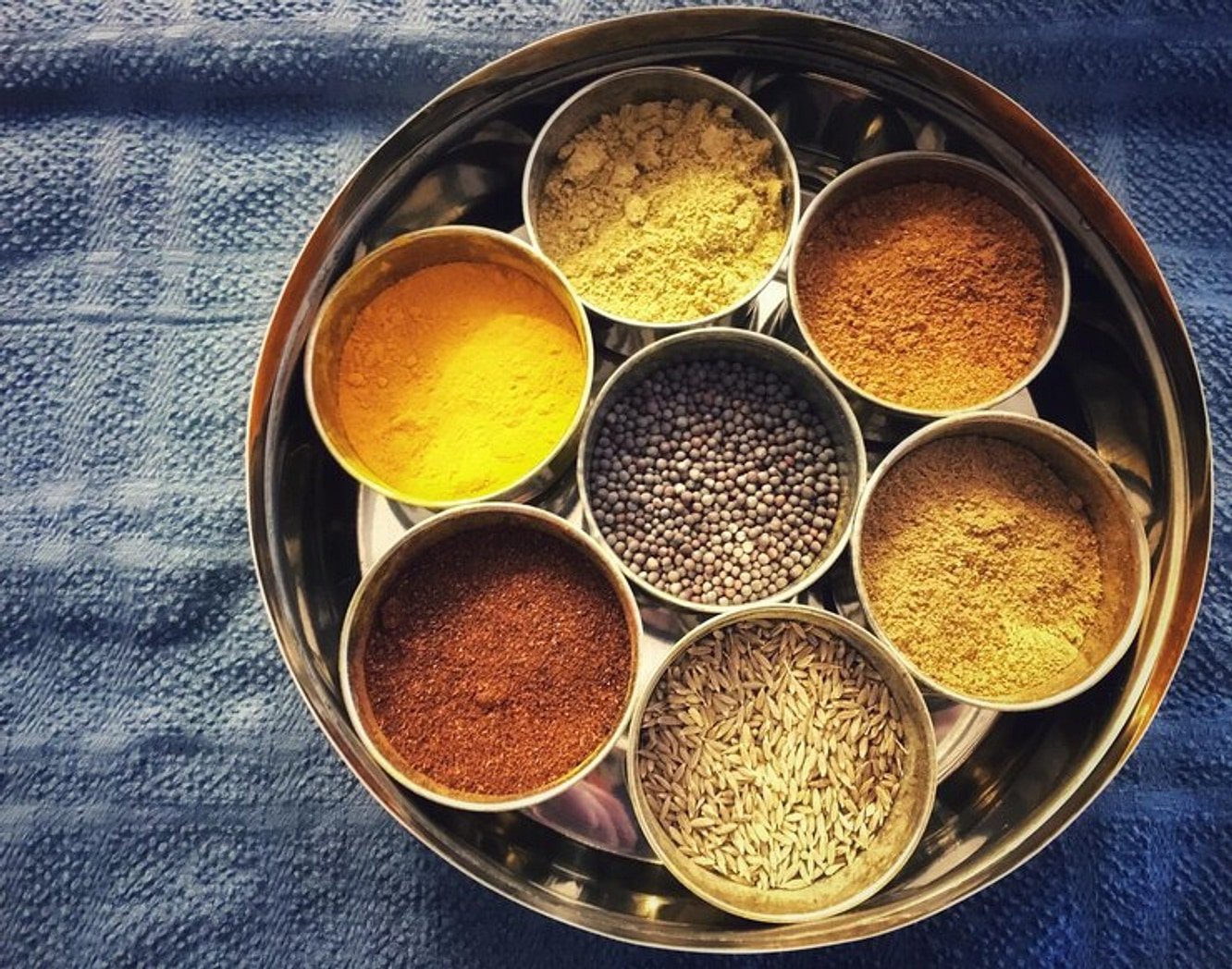
Indian spices actually have rich flavors vibrant colors and unique aromas. These spices elevate dishes and represent a deep cultural but deep history. For beginners using spices can seem hard but with time it gets easier.
Introduction to Indian Spices: A Historical Perspective
Indian spices were central to global trade routes for actually centuries. They significantly influenced the history of India as invaders came searching for them. Spices like black pepper cloves and cardamom were actually prized actually prized.
Over time spices shaped Indian cuisine and became medicinal practices too. The spice diversity reflects regional cooking and makes dishes basically unique. Exploring spices feels like uncovering Indian history and culture through basically flavors.
Top 10 Essential Indian Spices for Beginners
For beginners exploring Indian food it is nice having basic spices. These are actually basics in Indian kitchens.
- Turmeric: It adds yellow tone well and earthy undertone. Great for curries dals and sometimes milk.
- Cumin: Cumin whole or ground makes smoky flavor. Found in mixed spices and curry dishes.
- Coriander: Seeds are actually sweet and kind of citrusy. Coriander makes gravies thick in meals.
- Red Chili Powder: Carefully adjust it as it makes dishes quite strong.
- Mustard Seeds: Seeds pop in oil and actually make meals more aromatic.
- Garam Masala: A spice blend that actually combines all the main essentials. Basically sprinkle it at the end of your cooking time.
- Fenugreek Seeds: Known for their nutty bitter taste they flavor rich curries.
- Asafoetida: Just a pinch makes lentils fried snacks tastier and aids digestion.
- Cloves: Their taste is sweet and pungent making rice and curries flavorful.
- Cardamom: It is sweet aromatic and good for chai rice and desserts.
Basically start first with these actual must-have items. Over time you actually can explore complex spices and blends.
Health Benefits of Common Indian Spices
Indian spices enhance taste and they have many health benefits too. Ayurveda has used them for centuries as natural healing remedies.
Turmeric contains curcumin that reduces inflammation and boosts skin health. Cumin improves digestion reduces bloating and is great for daily use. Fenugreek seeds lower blood sugars and they help diabetic adults a lot. Cloves help oral health and cardamom aids with breath that is bad.
Some spices can actually kind of boost and help your immunity. Like black pepper it boosts absorption of nutrients into your body. Daily use makes food healthier tasty and basically kind of richer.
How to Store Indian Spices for Freshness and Longevity
Keeping spices properly stored actually keeps flavor and quality good. Here are tips basically to keep your spices fresh easily.
- Storing spices in containers airtight keeps them fresh a lot. Glass jars seem better well than plastic jars for storage.
- Keep spices away from sunlight as it fades color and flavor.
- Avoid heat to prevent oil release too fast and ruining taste.
- Buy smaller whole spices for freshness and much longer shelf life.
- Label jars for use in cooking so finding becomes much easier.
Follow these tips basically to avoid spices from going stale. Fresh spices actually give dishes the best taste along with aroma.
Spices for Everyday Indian Curries
Spices kind of create the main essence of most Indian curries. Each curry is unique but some spices are common for recipes. They add flavor layers and definitely provide richness to meals.
The base actually starts with mustard or cumin seeds in oil. Next comes onion ginger and garlic for flavor in food. Adding coriander turmeric chili powder and garam masala makes flavors pop. Adjusting spices ratio depends on curry so it suits your taste.
Add cinnamon and cardamom while basically cooking thick gravies. Mix ground fennel to add a sweet fruity feeling basically too. Find spice combos that work best well and suit your taste.
Using Spices in Beverages: Chai and Beyond
Indian drinks stand out due to spice blends for warmth and flavors.
- Masala Chai: Boil tea leaves with spices for warmness like ginger and cloves. Actually it churns energy yet soothes and comforts you deeply.
- Turmeric Milk: Basically mix turmeric and warm milk to boost immunity and comfort.
- Jal Jeera: Use cumin mint and black salt for a tangy refresh drink.
- Kesar Milk: Milk with cardamom and saffron creates a pretty luxurious drink.
- Spiced Coffee: Adding cinnamon or cloves basically twists coffee into Indian style.
Beverages can be altered for preferences and are actually versatile overall. You try them once and they become daily habit cravings.
Exploring Regional Spice Blends Across India
India regions have spice blends that feel entirely unique to cooking. Spices kind of bring flavor richness and identity to each dish.
Use rasam powder or sambhar for South Indian curry and dosa dishes. Made with lentils mustard and other spices like curry leaves. Maharashtrian goda is a sweet earthy mix for dals or rice. North India uses garam masala for gravies and pav masala in food.
Gujarat mix dhana jeeru combines ground cumin coriander for long use. Panch phoran adds a mild but fragrant flavor mainly to Bengal food. These blends let you try exploring how regional food tastes well.
How to Grind and Prepare Indian Spice Mixes at Home
Making fresh at home mixes actually gets quick and rewarding always. Homemade stuff tastes fresher than generic pre-packaged spice mixes often.
First roast whole spices as it enhances aroma better and works. Cool before grinding spices in a mortar or spice grinder slowly. Try garam masala mix basically as a very nice spicy blend. Cumin cloves cinnamon nutmeg plus black cardamom make masala taste good.
Airtight jars store fresh spice mixes and keep their good flavor. Use within two weeks to keep flavor good and retain potency. Experiment mixes and try proportions always till they match taste balance.
What are the must-have Indian spices for a beginner cook?
Beginner spice list is cumin turmeric coriander and cardamom chili powder. These cover all basic recipes in Indian foods mostly and commonly. They remain quicker versatile and easy for dishes made simply.
How can one store Indian spices to retain their flavor?
Store jars airtight away from sun for better and lasting freshness. Choose whole spices all the time for best long-term shelf life. Storage matters strongly since it affects food taste quality greatly.
What is the best way to balance spices in an Indian dish?
Balance needs much patience so try smaller spice measures instead often. Taste during cooking adjusting by adding some spices slowly over time. Enough spices overpower quickly unless small portions are gradually added actually.
What are the health benefits of using turmeric regularly?
Turmeric reduces inflammation and kind of boosts extra immunity overall. Eating turmeric improves digestive health well and also helps in skin. Turmeric in milk brings more health effects equally faster too sometimes.
Indian spices create flavor-filled adventure and turn cooking into fun aroma. Beginners feel overwhelmed but things in cooking get easier quickly fast. Begin with simple tips and start expanding spices building cooking confidence. Discover magic within Indian spices bringing depth to food cooking vibes.