
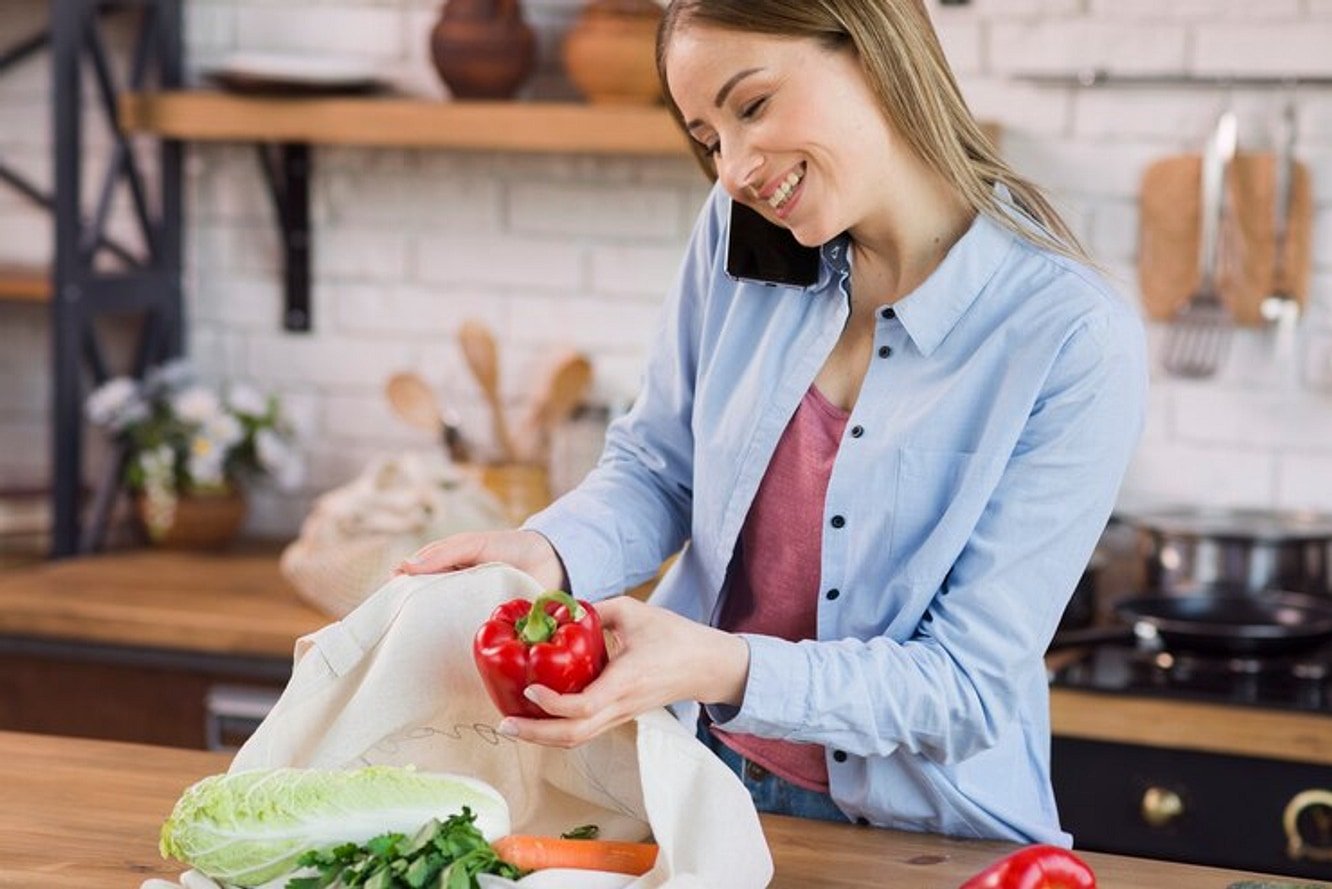
Basically taking care of vegetables is actually quite hard and rewarding. When done right they last longer taste fresh and reduce waste. Now let us like learn tips to keep vegetables fresh longer.
Why Proper Storage Matters for Vegetable Freshness
Proper storage is not only about keeping vegetables edible. It is about keeping texture flavor nutrients basically intact. Careless storage causes vegetables to spoil quickly and lose taste. Spoiled vegetables smell bad which honestly nobody likes.
Temperature is actually key in keeping vegetables fresh. Some veggies require cold storage, and others totally need to stay dry. This depends on individual vegetable needs. Knowing the correct method can save money, too, by reducing spoiling. Learning storage helps you waste less food at home.
When vegetables are fresh, they are better for recipes. You eat healthier too. For instance, fresh spinach adds crunch to salads. But wilted spinach, it ruins the dish. Proper storage kind of helps you eat better easily.
General Tips for Storing Vegetables Effectively
Learning tips helps vegetables stay fresh longer at home generally. Small actions actually make the biggest difference for freshness.
- Always keep vegetables dry. Moisture makes vegetables rot faster since bacteria thrives fast.
- Keep fruits and vegetables apart since fruits release gas. These gases spoil vegetables nearby.
- Use perforated bags or breathable containers. This prevents moisture buildup while maintaining airflow around them.
- Do not overcrowd your fridge crisper. Veggies need space for good airflow and even cooling.
- Label your stored vegetables with dates. This helps you actually use older vegetables before expiration.
Keeping vegetables fresh means following tips and making a habit basically. Fresh vegetables make meals really delicious every time.
The Best Way to Store Leafy Greens
Leafy greens actually tricky to store but important for meals. Delicate leaves wilt fast so handle them carefully always. Choose greens when fresh preferably with bright and crisp leaves.
Inspect leaves first and sort out any damaged or brown. Wash dirty greens if you actually plan to use soon. Wet leaves can rot faster if left stored. Wrap them in cotton towels to absorb extra moisture.
Put wrapped greens in perforated bag or container in fridge. This controls humidity and avoids soggy leaves basically. Soak greens in ice water shortly to refresh before using. This restores their texture.
How to Keep Root Vegetables Crisp and Crunchy
Root vegetables including carrots potatoes radishes are kind of strong. Proper storage keeps them flavorful and crunchy. Unlike greens they spoil less fast but need care basically.
Pick firm root vegetables unbruised always. Cut greens from roots since they absorb moisture away. Never wash roots like carrots before storage unless necessary. Excess water invites mold and premature spoilage.
Group roots based on storage type. Keep potatoes onions dry in a cool dark space. Carrots radishes kept best in crisper inside breathable bags. Keep these groups very far apart actually.
Fridge vs. Countertop: Where Vegetables Should Go Properly Stored
Store vegetables where best suitable counter fridge whatever needed. Pick storage spots wisely to maximize vegetables shelf life.
- Refrigerator: Greens carrots radishes broccoli zucchini asparagus cauliflower.
- Countertop: Garlic onions potatoes sweet potatoes squash tomatoes.
Some exceptions exist. Tomatoes kept on counter unripe but fridge when ripe. Think about each vegetable needs separately always actually. Proper planning saves time actually and effort best.
Using Storage Containers and Bags for Maximum Freshness
Storage tools really key in keeping vegetables fresh long. Bags containers correct choice vital for vegetables lasting fresh.
- Use breathable materials kind of always preferred. Mesh perforated plastic bags help air flow freely basically.
- Avoid zip-lock bags since they trap moisture block air. Moisture really speeds up rotting always faster.
- Glass containers perfect for storing chopped vegetables like beans.
Split bulk vegetables into smaller pieces actually for storing. Smaller portions lower risk contamination quicker. Always label containers noting down dates for freshness. Right tools extend vegetables life significantly long better.
Should You Wash Vegetables Before Storing Them?
Washing vegetables first might seem convenient actually. Though it can harm vegetables freshness without proper careful method. It basically depends type vegetable honestly.
Washed greens need being dried extremely thoroughly. Leftover moisture decreases shelf life significantly fast. Carrots squash fine without quickly washing immediately. Soapy water residues left unwashed harm freshness.
For later use just remove dirt using towel brush. Wash vegetables briefly before using actually preserves nutrients. Frequent washing weakens skins plus shortens their freshness.
Common Mistakes to Avoid When Storing Vegetables
People often unknowingly make wrong storing mistakes vegetables. Mistakes waste food cut vegetable long shelf life.
- Mixing vegetables fruits speeds spoilage since ethylene releases gas.
- Washing vegetables holds moisture creating bacteria growth always.
- Damaged vegetables spread spoilage into fresh stocks easily.
- Tightly sealed bags trap moisture lead slimy textures basically.
- Overcrowding restricts air uneven cooling vegetables always wrong.
Recognizing wrong steps prevents spoilage ensures vegetables last longer basically.
How to Tell When Vegetables Are No Longer Fresh
If you actually know checking spoiled vegetables seems easier entirely. Watch deterioration signs to lower waste every day basically.
- Gooey slimy surfaces honestly mean spoilage is there.
- Wrinkled skin wilted leaves really actually indicate freshness is gone.
- Odd smells show molds bacteria grow improper storage honestly.
- Black spots discoloration shows rot happening fast clearly basically.
Double-check vegetables frequently always really helps. Toss anything off before it contaminates fresh ones nearby.
What is the best way to store leafy greens to keep them from wilting?
For greens wrap towels use perforated bag keep refrigerator. It keeps them dry and manages moisture balance effectively.
Which vegetables should not be stored in the refrigerator?
Some vegetables honestly better stored outside counters avoid fridges. Unripe tomatoes potatoes squash prefer dry places not fridge.
How can I prevent my vegetables from spoiling too quickly?
Store each vegetable type correctly by learning its needs. Remove spoiled vegetables before ruining others nearby clearly.
Why should I avoid washing certain vegetables before storing them?
Moisture left by washing like harms freshness badly. Moist veggies spoil faster than dry ones because bacteria forms quicker.
Having planned and proper vegetable storage routine really matters. Use the corrections mentioned above immediately as easy habit routines avoided. Practice often!!